
Bilona Ghee Benefits – Nutrition, Ayurveda & Uses
For thousands of years, ghee has been a staple in Indian food and traditional medicine. However, not all ghee is the same. Ghee made from the ancient Bilona method has levels of aroma and flavor that are completely different from other ghee, and is claimed to have different health-promoting properties from an Ayurvedic perspective.
This post highlights how Bilona ghee differs from commercially produced ghee, review its nutritional content, explore its revered status in Ayurveda, and explain its uses in and outside the kitchen, so you can understand how this golden elixir may enrich your health and daily life.
What Makes Bilona Ghee Different?
Bilona is the traditional hand-churning process of making this ghee. It is an arduous, ancient, and meticulous process that takes time, precious time, and has been followed by many generations of Ayurvedic practitioners. It begins with great-quality milk coming from grass-fed desi A2 cows, which is vitally important for many Ayurvedic practitioners’ opinions on both flavor and purity. Firstly, this milk is boiled and cooled to the necessary temperature, then a small amount of curd is added and left to set overnight as curd.
When this curd is set the following day, the Bilona is used to churn the curd in a clay pot by hand. The ritual of churning the curd takes a considerable time, and through this quiet manual churning process butter (makhkhan) separated and collected from the buttermilk. Once collected, this butter is heated gently, and slowly, to allow the water to evaporate without catching fire to the ghee in order to turn it into pure, golden clarified butter that possesses that delicious nutty aroma.
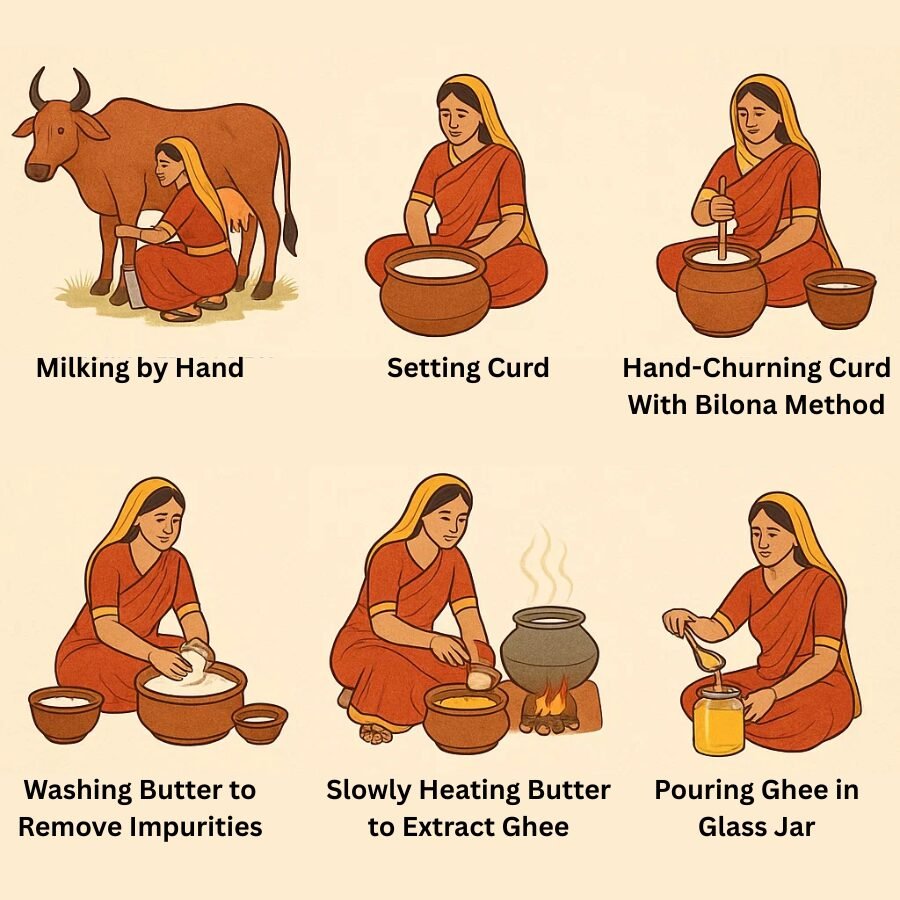
This artisanal technique is in stark contrast to modern commercial ways, which separate cream directly from milk using industry centrifuges and heat rapidly directly burned and at high temperatures. While commercially driven high temperatures and separating cream may increase yield and production time at the sacrifice of flavor and nutrients, the Bilona method may help retain more nutrients and enhance flavor, aroma, and overall quality-a claim supported by thousands of years of Ayurvedic and slowly by specialty food advocates today.
The Nutritional Profile of Bilona Ghee
Bilona ghee is best known for its delicious flavors and healthy fats, however, ghee also has an abundance of fat-soluble vitamins, trace minerals, and other beneficial compounds. While ghee is calorie-dense, it can contribute to health positively in many ways, when consumed in moderation and with intention.
A Rich Source of Healthy Fats
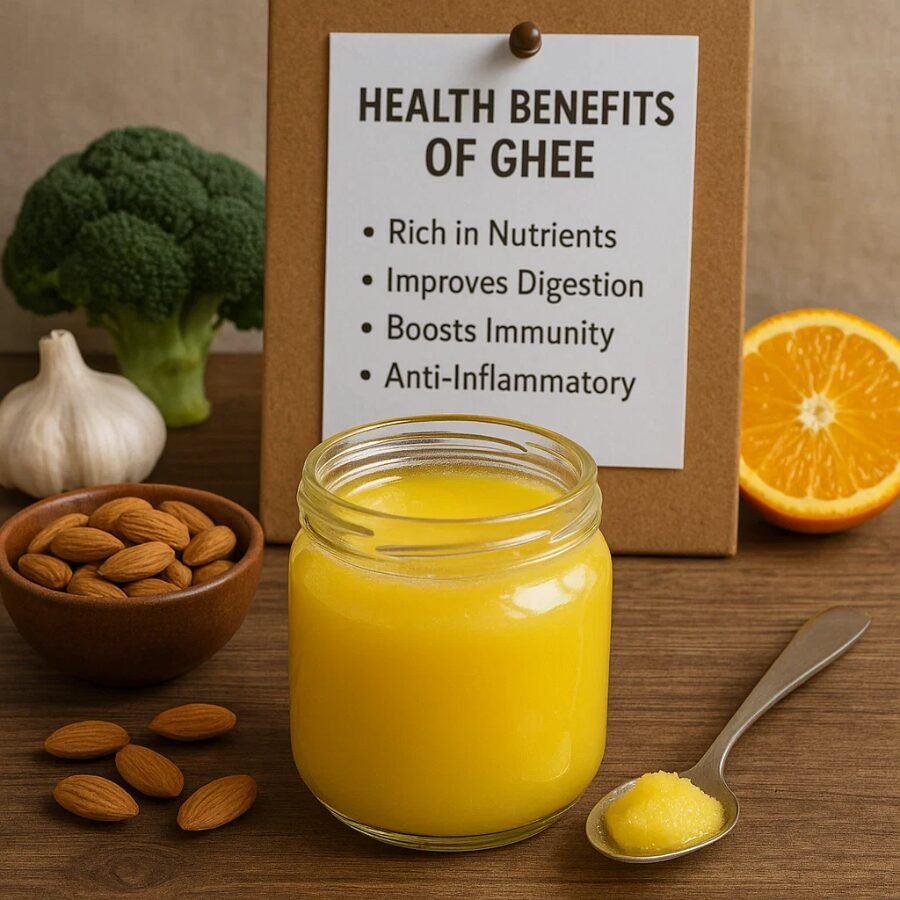
Ghee is primarily made up of saturated fats, however, it also contains both monounsaturated and polyunsaturated fats. One of the unique features of Bilona ghee, especially when made from the milk of grass-fed cows, is a higher amount of Conjugated Linoleic Acid (CLA). CLA is an interesting compound with published studies regarding its efficacy at aiding metabolic function, and inflammation reduction. Omega-3 and Omega-9 fatty acids also provide heart and brain supportive properties, making the combined fatty acid profile of Bilona ghee an extremely unique source of healthy fats that one rarely finds with processed fats or oils.
Overall, ghee has no trans fats, and it is inherently lactose-and casein-free because of the preparation process allowing for easy digestion in many individuals with sensitivities to dairy.
Fat-Soluble Vitamins
Bilona ghee is valuable because it has nutritious fat-soluble vitamins, which serve significant purposes in a multitude of functions of the body:
- Vitamin A: Required for proper vision, immune system support, and healthy skin and mucous membranes, development of cells.
- Vitamin E: Helps the body be powerful against oxidative stress providing antioxidant to the skin, and overall body function related to skin and hair health.
- Vitamin D: Helps calcium absorption; bone and teeth support, and supports studies on the immune system
- Vitamin K: Helps with blood clotting, ensures safe movement of calcium to the bones and prevents the deposition of calcium into the arteries.
Unlike industrially processed ghee, the Bilona method preserves more of the sensitive vitamins.
Butyric Acid
One of the most unique nutrients from ghee is butyric acid, a short-chain fatty acid that supports our gut health. Butyric acid is said to be the major energy source for the colon cells, which helps maintain the gut barrier. In both Ayurveda and modern research, butyric acid consumption has been associated with healthy digestion, a balanced microbiome, and reducing inflammation of the digestive tract. Regular consumption may help with digestive issues and conditions such as constipation, IBS, or other gut upsets.
Bilona Ghee in Ayurveda: The Golden Elixir
In Ayurveda, ghee (or ghrita in Sanskrit) is considered one of the most medicinal substances known to man. It is called a Rasayana in Sanskrit, which means it promotes the essence of vitality or bodily rejuvenation and longevity. Ayurvedic texts identify Bilona ghee—which is made from milk of indigenous desi cows—as having potent healing quality.
A Tridoshic Pacifier
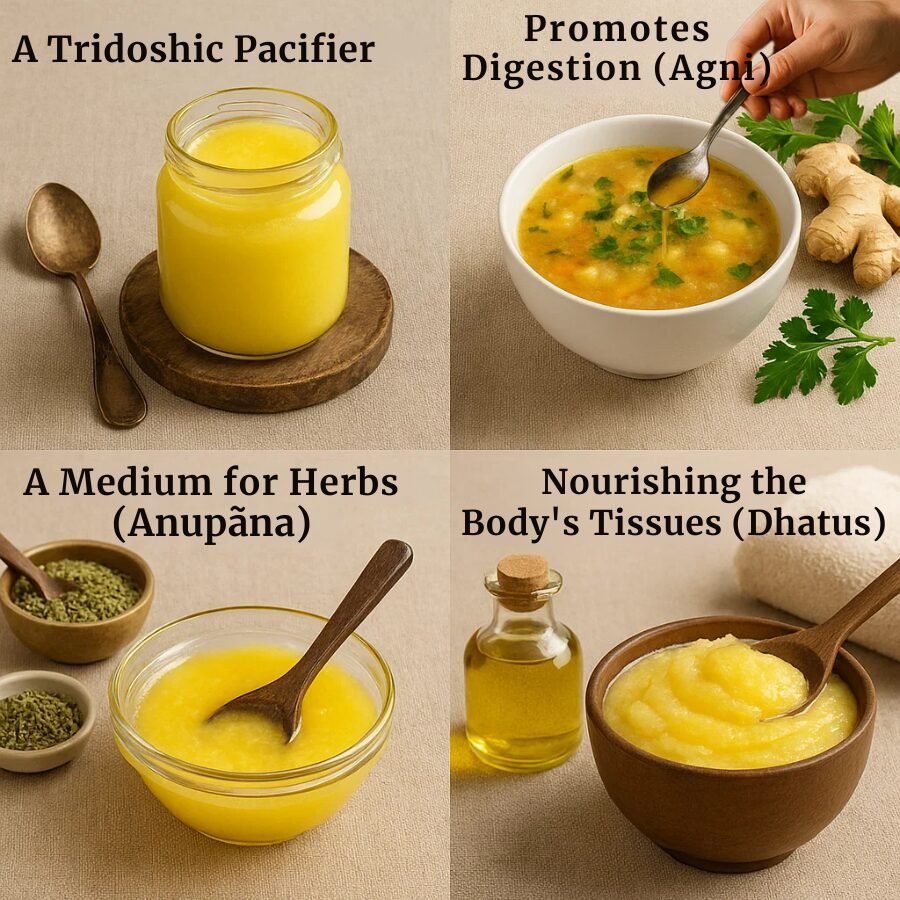
According to Ayurvedic theory, Bilona ghee can help bring balance to each of the three doshas, Vata, Pitta, and Kapha. Bilona ghee has oily and unctuous (moistening) qualities that pacify Vata, the dosha associated with movement and dryness, and its cooling properties pacify excess Pitta which is associated with heat, inflammation, and acidity. Bilona ghee, when consumed properly, does not aggravate Kapha and is suitable for all individuals.
As an integral part of Ayurvedic cleansing methodologies such as Panchakarma, ghee is most often used for internal oleation that is thought of removing toxins from deeper tissues to the digestive tract for elimination.
Promotes Digestion (Agni)
Agni (the fire of digestion) is a foundational principle in Ayurveda for healthy living. Ghee is one of the best fats for promoting and controlling Agni without increasing Pitta, if taken with foods or in cooking spices and herbs, ghee helps the body better absorb essential nutrients, supports smoother digestion, and encourages regular elimination. Many traditional home remedies for stomach discomfort, acidity, and bloating include ghee mixed with herbs or spices like ginger, cumin, or ajwain.
A Medium for Herbs (Anupana)
Ghee is unique among fats, it is used as an “anupana” or carrier of medicinal herbs. Its unique lipophilic (fat-loving) structure allows the active compounds of the plant to be absorbed by ghee, and for the ghee to carry the plant compounds deep into the body tissues (dhatus) and promote the effectiveness of many traditional remedies. Many medicated ghees are readily prepared for Ayurvedic therapies; for example – Brahmi ghee for mental clarity, Triphala ghee for digestion, and Ashwagandha ghee for vitality and strength.
Nourishing the Body’s Tissues (Dhatus)
Ayurvedic teachings describe the nourishment of all dhatus—plasma, blood, muscle, fat, bone, marrow, and reproductive fluids—with a regular and consistent intake of ghee. The lubricating quality is said to provide flexibility in the joints, suppleness in the skin, and calm in the nervous system. Ghee is also well-known in Ayurveda for supporting Ojas, the subtle essence with which immunity, energy, and emotional resilience are associated.
Practical Uses of Bilona Ghee
Bilona ghee is as versatile as it is nourishing. In addition to its many health benefits, it is a favorite product of cooks, remedy makers and natural beauty practitioners.
In Kitchen

- Cooking: With its very high smoke point (about 485°F/250°C) it can be used for deep frying, sauteeing, and tempering spices (tadka) with the assurance that it will not break down into harmful substances.
- Roasting: Roast the roots, potatoes or other seasonal vegetables in the ghee for added flavor and crunch.
- Baking: When baking cookies, cakes, and breads use ghee as a replacement for butter or oil at a 1:1 ratio. You may find that the results are richer and more pleasant than the original.
- Finishing: Ghee can be drizzled over dal, khichdi, rice, and even on popcorn. Even a small amount can transform the taste and the digestibility of the dish to the next level.
Beyond Cooking

- Skin Moisturizing: The emollient and nourishing characteristics make it good to soothe dry elbows, cracked heels or chapped lips. For many generations, mothers in India have massaged newborns in warm ghee.
- For the Nasal Passages (Nasya): Used to lubricate dry or irritated nasal passages especially in dry climates or dry seasons.
- Wound Healing: Ayurveda cites topical ghee as a tool to help heal minor burns, cuts and rashes.
- In Religious Ceremonies: Ghee is considered pure, representing clarity, prosperity, and the removal of darkness, and is used to light lamps (diyas) and in havan during Hindu religious.
Embracing Timeless Tradition
Bilona ghee is not only food, it is a connection to ancient tradition and holistic wellness. The process of making Bilona ghee engages one with rhythms of nature, from the careful handling of the milk to the deliberate use of time when churning the ghee. While science continues to confirm the benefits of this product, the respect given to Bilona ghee culturally and traditionally must illustrate its value across generations.
When you choose Bilona ghee, you’re not just choosing a cooking fat, you’re welcoming a piece of centuries-old wisdom into your daily life.. Those who enjoy cooking, nutrition, or Ayurveda, as well as those who just want to enjoy wholesome and flavorful cooking, should consider incorporating this golden elixir into their kitchens and in their self-care rituals.
Not sure which ghee is right for you? Take our 1-minute quiz and get a personalized recommendation. Click the button below to start the quiz.







 Easy DIY purity checks